
Angels have long fascinated the human imagination, captivating individuals across diverse cultures and religions throughout history. Revered as celestial entities possessing extraordinary powers, angels serve as messengers, protectors, and intermediaries between the human realm and the divine. While the concept of angels permeates various religious traditions, differences exist in their attributes, roles, and the beliefs surrounding them. This article endeavours to explore the intriguing realm of angels through a comparative analysis of religious perspectives, shedding light on their existence and significance.
The Concept of Angels in Different Religions
1. Christianity
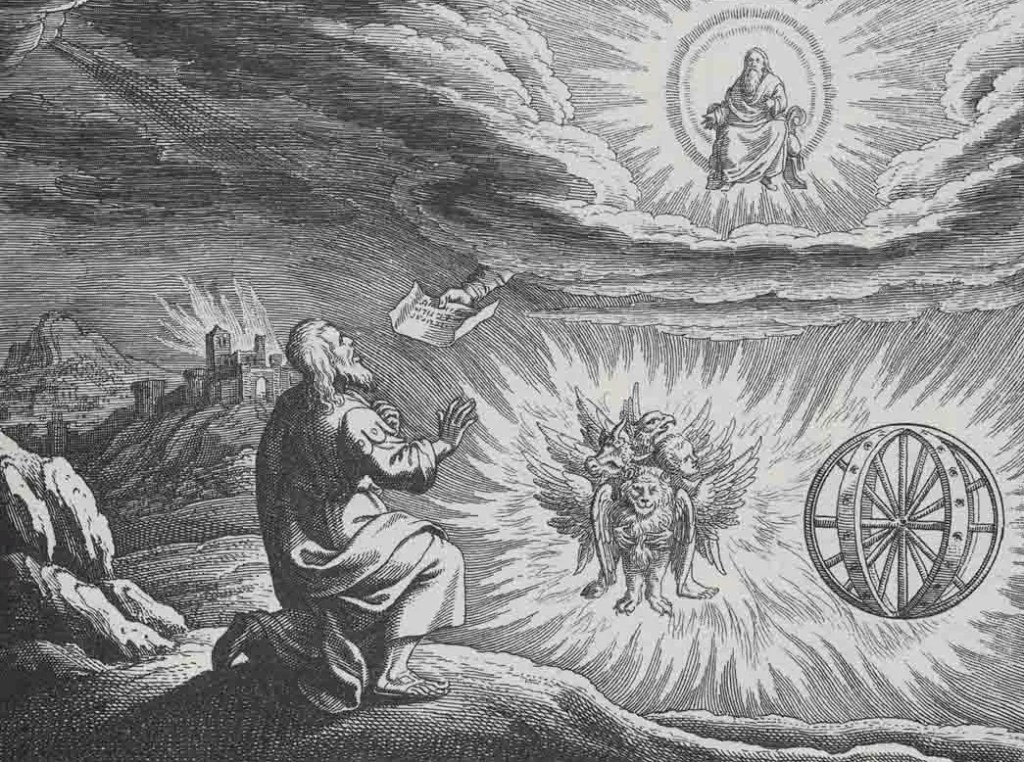
Within Christianity, there is a steadfast belief in the existence of angels, regarded as spiritual beings fashioned by God. Christian angelology delineates different orders and hierarchies among angels. The foremost sphere includes Seraphim, Cherubim, and Thrones, closest to God and engaged in perpetual worship. The subsequent sphere encompasses Dominions, Virtues, and Powers, responsible for governing and guiding the universe. The third sphere involves Principalities, Archangels, and Guardian Angels, pivotal in safeguarding and guiding individuals.
Extensively referenced in the Bible, angels are depicted as messengers of God, custodians, and enforcers of divine justice. They assume significant roles in biblical narratives, heralding the birth of Jesus Christ, shielding individuals from harm, and conveying divine revelations. Angelic descriptions vary, with some characterized as possessing multiple wings while others take on human-like forms. Angels serve as celestial conduits, bridging the gap between the earthly and the divine realms.
2. Islam
Islam acknowledges the existence of angels as fundamental tenets of faith. Angels, in Islamic belief, are created entities crafted from pure light, entrusted with specific tasks ordained by Allah. In contrast to humans, angels lack free will and unwaveringly obey Allah’s commands. The Islamic worldview dismisses the notion of fallen angels and refrains from associating them with concepts of good or evil. Angels do not serve as objects of worship or intermediaries between humans and Allah, as their function does not involve relaying prayers to God.
Islamic tradition identifies several angels by name, notably Jibreel (Gabriel), Mika’il (Michael), Israfeel, and Malik. Jibreel holds a significant position as the angel of revelation, responsible for conveying messages to the prophets. Angels in Islam wield immense powers bestowed upon them by Allah and can assume different forms when interacting with humans. They are described as resplendent beings adorned with wings, perpetually engaged in worship and glorification of Allah.
3. Judaism
In Jewish tradition, angels are perceived as messengers and agents of God, created to execute specific duties. The Hebrew term for angel, mal’ach, translates to “messenger,” underscoring their role as divine emissaries. Jewish belief acknowledges the presence of angels throughout biblical narratives, where they deliver messages, offer guidance, and perform extraordinary feats. Angels in Judaism are not regarded as divine beings but rather as instruments of God’s will.
Rabbinic and kabbalistic sources delve deeper into the angelic realm, expounding on a comprehensive array of named angels possessing distinct roles in the spiritual domain. These sources identify Michael, Gabriel, Uriel, and Raphael as the four chief angels encircling the divine throne. The Midrash portrays imaginative depictions of angels, attributing unique characteristics and attributes to these celestial beings. Jewish tradition links angelic encounters to significant events in biblical history, accentuating their involvement in divine interactions with humanity.
4. Other Religions
Belief in angels transcends the Abrahamic religions, extending to numerous other faith traditions. Zoroastrianism acknowledges the existence of angelic entities known as yazatas, serving as intermediaries between humans and the divine. These yazatas embody diverse facets of creation and are venerated as celestial aides. Sikhism incorporates the belief in deities and celestial beings termed devas, acting as messengers and intermediaries in the spiritual realm. The Bahá’í Faith recognizes angels as spiritual entities, highlighting their role in guiding and aiding humanity.
Angelic Beliefs
While similarities exist in the belief systems regarding angels across various religions, substantial disparities emerge in their essence and functions. Christianity portrays angels as potent entities occupying distinct hierarchies and assuming diverse roles, from messengers to custodians. Islam emphasizes the subservience and adherence of angels to Allah, eschewing the concept of fallen angels. Judaism underscores the role of angels as messengers and executors of God’s will, emphasizing their involvement in pivotal biblical occurrences.
Portrayals of angels within each religious scripture and tradition contribute to distinctive understandings and perceptions of these celestial beings. Despite variations in names and specific attributes, the common thread across these beliefs underscores the acknowledgment of a spiritual domain and the existence of entities bridging the chasm between the divine and the human.
Role of Angels
In numerous religious traditions, angels occupy significant roles in human lives, serving as protectors, custodians, and sources of divine guidance. Angels are often associated with moments of revelation, offering insights and messages from the spiritual realm. Their presence serves to reassure and comfort believers during challenging and uncertain times.
Belief in angels also fosters acts of worship and devotion, as adherents recognize the enduring presence of these celestial beings. Many religious practices incorporate prayers and invocations directed towards angels, seeking their intercession and aid in various facets of life. The concept of angels serves as a poignant reminder of the spiritual dimension of existence and the interconnectedness between the human and the divine realms.
Depictions of Angels
In popular folklore, angels are often portrayed as benevolent beings, representing good forces of nature or protectors of humanity. They are sometimes depicted as ethereal holographic images or illusions, embodying beauty, purity, and divine intervention. Western iconography has often depicted angels as cherubic babies or youthful figures with halos, symbolizing their innocence and divine presence.
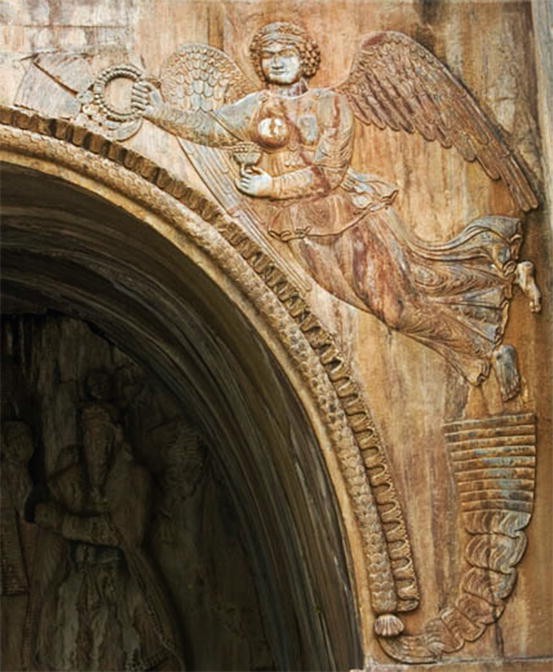
Islamic art and scripture are cautious in representing angels graphically due to their unique nature as beings of pure light. While Islamic art may depict angels in human form, their representations tend to focus more on symbolic elements or abstract representations of their attributes, such as wings or luminous auras. The emphasis lies on their spiritual significance rather than physical form.

Attributes of Angels
Descriptions of angels vary across religious texts and traditions, reflecting divergent viewpoints regarding their nature and appearance. In Christianity, angels are often portrayed as ethereal beings adorned with wings, symbolizing their celestial essence. Islamic belief depicts angels as fashioned from pure light, capable of adopting human forms as needed. Judaism places greater emphasis on the function and role of angels rather than their physical attributes.
The precise number of angels remains an enigma, known only to God. Different religious sources offer varying accounts of angelic numbers, underscoring the vastness and diversity of these celestial entities. It is believed that angels tirelessly engage in worship and obedience to God, perpetually involved in glorification and adoration.
Interactions with Angels
Throughout history, numerous accounts and narratives recount human encounters with angels. These interactions often entail divine messages, guidance, and protection. In the Bible, angels appear to individuals such as Abraham, Moses, and the prophets, conveying crucial revelations and instructions. Islamic tradition likewise narrates the pivotal role of the angel Jibreel in delivering the Quranic revelations to Muhammad.
Believers across diverse religious traditions recount personal experiences and encounters with angels, affirming their presence and influence in their lives. These encounters may manifest as visions, dreams, or instances of divine intervention. While angels typically elude human perception, their impact and influence are believed to be profound and transformative.
Conclusion
The existence of angels is a matter of faith and belief, and interpretations vary among different individuals and religious communities. While some may view angels as literal beings with distinct forms and functions, others may consider them metaphorical representations of divine guidance and spiritual energies. Regardless of individual perspectives, angels hold a significant place in religious and cultural narratives, serving as sources of inspiration, comfort, and hope.
In conclusion, angels occupy a central role in the collective human consciousness, transcending cultural, religious, and geographical boundaries. Whether seen as messengers, guardians, or symbolic embodiments of divine power, angels continue to capture our imagination and offer glimpses into the mysteries of the spiritual realm. Ultimately, the belief in angels remains a deeply personal and profound aspect of our spiritual journeys.
Additional Information: The concept of fallen angels or evil angels is not universally accepted in all religious traditions. It is specifically addressed in certain branches of Christianity and Judaism.


 Moses Ali
Leave a comment